
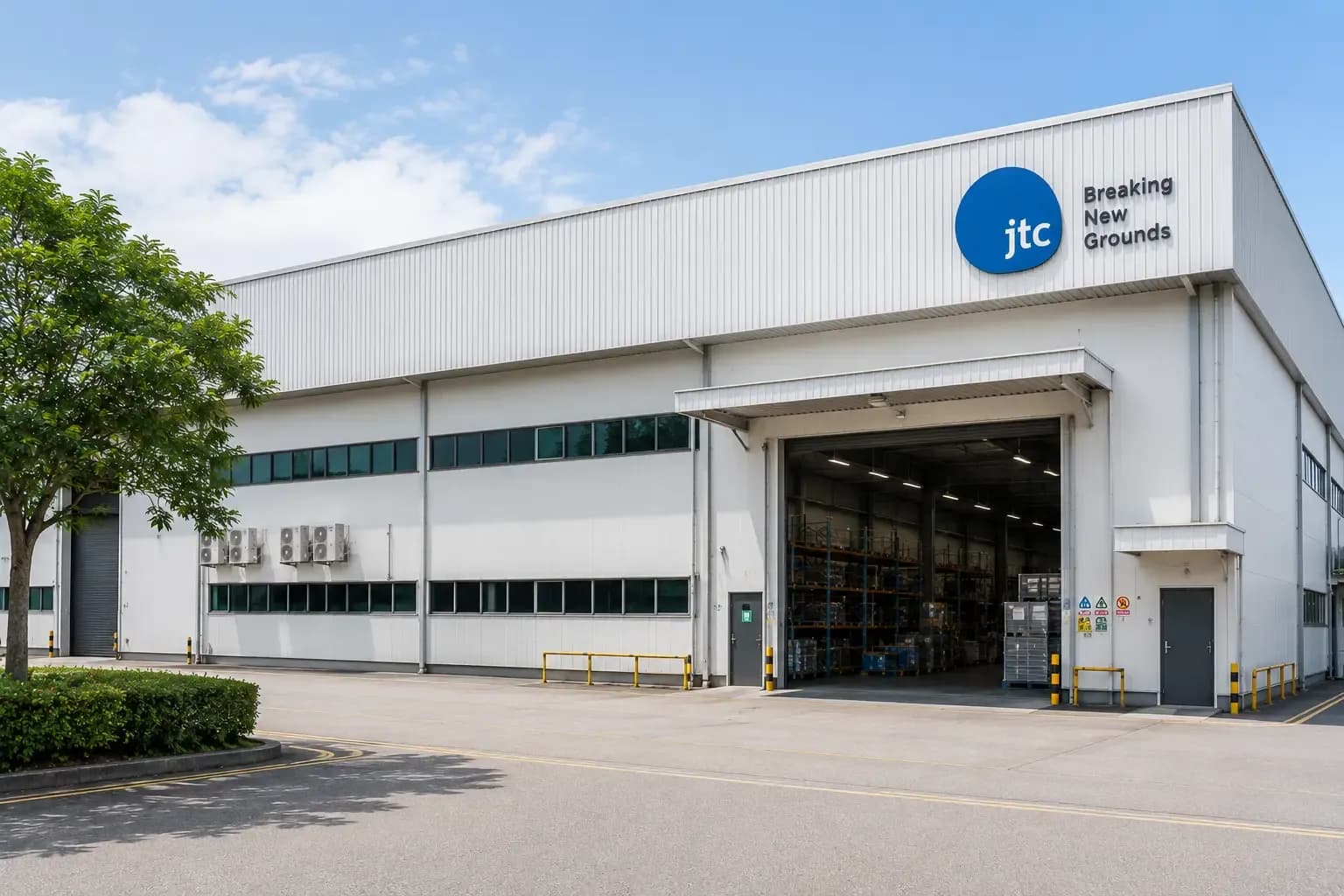
Returning a JTC Property? Here's What You Need to Know (2026)
Returning a JTC property? Learn what needs to be removed, how the reinstatement process works, and what to expect before handing your property back.
Key Takeways
- JTC reinstatement requirements can include demolition, site clearance, earthworks, surveys, and supporting documentation.
- The exact scope depends on your lease obligations and the condition of the property.
- Machinery foundations, underground tanks, pits, and drainage systems may also need to be removed.
- A Professional Engineer (PE) may be required for demolition and structural works.
- JTC may require inspections, as-built surveys, and rectification works before accepting the site.
- Start planning early to allow time for approvals, machinery disposal, reinstatement works, and handover preparation.
At first glance, returning a JTC property sounds straightforward. Remove what's no longer needed, clear the site, and hand back the keys.
Then you start looking at the actual requirements.
Existing foundations may need to be removed. Underground tanks could require demolition. Drainage systems, earthworks, turfing, surveys, and supporting documentation may all form part of the site return process.
The challenge isn't simply vacating the property. It's returning the site in a condition that meets JTC's requirements.
In this guide, we'll walk through JTC reinstatement requirements, the common works involved, and what industrial tenants need to prepare before handing back their premises.
What Are JTC Reinstatement Requirements
JTC reinstatement requirements are the obligations tenants must fulfil before returning a JTC property at the end of a lease.
The exact requirements depend on the property and what's stated in your lease. For some sites, the scope may be limited to removing tenant-installed fixtures and clearing the premises. For others, it can involve demolition works, foundation removal, earthworks, surveys, and inspections before the property can be handed back.
Also, every site is different. A warehouse with a few modifications requires a very different scope from a manufacturing facility with production lines, machinery foundations, underground tanks, and supporting infrastructure.
That's why it's important to understand the scope of work early rather than waiting until the final months of the lease.
When Should You Start Planning for JTC Reinstatement
You should start planning as soon as you know the property will be returned.
Reinstatement projects often involve more than demolition works alone. Machinery removal, authority approvals, PE coordination, surveys, inspections, and documentation all take time.
For smaller industrial units, a few months may be sufficient. Larger factories and warehouses typically require more planning, especially when buildings, foundations, underground structures, or extensive site works are involved.
Starting early gives you time to:
- Confirm your reinstatement obligations
- Carry out site assessments
- Engage contractors
- Coordinate PE submissions where required
- Schedule demolition and removal works
- Complete inspections and rectification works
The earlier the scope is established, the easier it is to plan timelines, budgets, and resources around it.
What Structures Usually Need to Be Removed
The scope varies from property to property, but there are several items that commonly form part of JTC reinstatement projects.
Buildings and Structures
Depending on the lease requirements, tenants may need to remove:
- Factory buildings
- Ancillary structures
- Mezzanine floors
- Loading bay modifications
- Storage platforms
- Security fencing
Where building demolition is required, a Professional Engineer (PE) may need to assess the structure and oversee the demolition process.
Machinery Foundations and Concrete Bases
In many manufacturing facilities, removing the machinery is only part of the scope.
Heavy equipment is often installed on reinforced concrete plinths, equipment bases, or foundations designed to support production operations. These supporting structures may also need to be demolished and removed before the site can be returned.
The extent of removal depends on the property and JTC's requirements for handover.
Underground Structures
Some of the most significant reinstatement works are often found below ground level.
These may include:
- Underground tanks
- Pits
- Wells
- Drainage systems
- Manholes
- Inspection chambers
Depending on the site return requirements, these structures may need to be removed, grouted, backfilled, or reinstated as part of the project.
Site Clearance and Debris Removal
All demolition debris and unwanted materials must be removed from the property and disposed of appropriately. JTC also requires the site to be maintained in a clean and safe condition throughout the project.
This may include:
- Construction debris
- Scrap metal
- Abandoned equipment
- Unused materials
- Vegetation and tree roots where required
The objective is to leave the site clear and ready for the next stage of reinstatement works.
What Does the JTC Reinstatement Process Look Like
While every project is different, most JTC reinstatement projects follow a similar process.
1. Site Assessment
The first step is establishing the scope of work.
This involves reviewing the property, identifying structures that need to be removed, and determining whether any authority submissions or professional endorsements will be required.
A thorough assessment early on helps avoid delays once work begins.
2. Planning and Approvals
Once the scope is confirmed, the reinstatement plan can be prepared.
Where demolition works are involved, approvals and permits may be required before work can commence. Depending on the project, submissions to the relevant authorities may also be necessary.
3. Demolition and Removal Works
The next stage involves removing buildings, structures, machinery foundations, underground facilities, and other items identified during the assessment.
As work progresses, debris and demolished materials are cleared from the site.
4. Ground Reinstatement
After demolition works are completed, the site may require:
- Backfilling
- Compaction
- Regrading
- Drainage reinstatement
- Surface treatment
The objective is to return the site in the condition required for handover.
5. Surveys and Documentation
Physical works are only one part of the project.
Depending on the site, as-built surveys, supporting plans, reports, and other documentation may need to be prepared and submitted before handover can proceed.
6. Inspection and Handover
The final stage involves inspections to verify that the completed works meet JTC's requirements.
If rectification works are required, these must typically be completed before the site can be successfully handed over.
When Is a Professional Engineer (PE) Required
A Professional Engineer (PE) may be required when reinstatement involves demolition of buildings or structural elements.
Under JTC's guidelines, the PE is responsible for assessing the existing structure, proposing an appropriate demolition method, and obtaining the necessary approvals before demolition works begin.
Depending on the project, the PE may also be involved in:
- Structural assessments
- Authority submissions
- Demolition permits
- Site supervision
- Supporting documentation
Not every reinstatement project requires a PE. However, where buildings, structural modifications, or major demolition works are involved, it's important to clarify the requirements early.
For a more detailed explanation, read our guide on PE Endorsement Singapore.
What Happens During the JTC Handover Process
The handover process doesn't start once the keys are returned. It starts once the reinstatement works are completed.
Before JTC accepts the site, there may be inspections, surveys, and supporting documents that need to be submitted for review.
As-Built Surveys
Depending on the project scope, as-built survey plans may need to be prepared and submitted to JTC.
These surveys document the final condition of the site after the reinstatement works have been completed. They are typically prepared by a Registered Surveyor.
Joint Site Inspection
Once the works are completed, a joint inspection may be carried out to verify that the site meets JTC's requirements.
The inspection may cover:
- Site levels
- Backfilled areas
- Drainage systems
- Demolished structures
- General site condition
Trial Pits and Soil Testing
For some sites, JTC may require trial pits to verify the quality of backfilled materials. Soil samples may also be sent for laboratory testing before the site is accepted.
If additional works or rectifications are required, these will need to be completed before the handover process can be finalised.
What If Contamination Is Found
Contamination isn't relevant for every site, but it can become a consideration for industrial properties that have handled chemicals, fuel, manufacturing by-products, or other regulated materials.
As part of the site return process, JTC may require soil testing to verify ground conditions.
If contamination or non-compliant materials are identified, additional remediation or rectification works may be required before the site can be handed over.
This is one reason why site assessments are often carried out early. Identifying potential issues upfront gives tenants more time to plan the necessary works and avoid delays later in the project.
How Long Does JTC Reinstatement Take
JTC reinstatement projects can take anywhere from a few weeks to several months.
The timeline depends on factors such as:
- Property size
- Scope of demolition works
- Machinery and equipment removal
- PE involvement
- Authority approvals
- Earthworks requirements
- Survey and documentation requirements
A small warehouse with limited modifications may be completed relatively quickly. A manufacturing facility with multiple production lines, foundations, underground structures, and supporting infrastructure will typically require a longer timeline.
Physical demolition is only one part of the project. Surveys, inspections, documentation, and handover requirements also need to be factored into the schedule.
If you're approaching lease expiry, it's generally better to start planning earlier rather than trying to compress the entire process into the final few weeks.
How to Choose a Contractor for JTC Reinstatement
Not every reinstatement contractor has experience handling JTC site returns.
Industrial properties often involve a broader scope of work than commercial office reinstatements, including demolition, machinery removal, earthworks, PE coordination, and handover documentation.
When evaluating contractors, look for experience in the following areas.
Industrial Reinstatement Experience
JTC projects often involve factories, warehouses, and industrial facilities.
A contractor with experience in industrial environments is more likely to understand the practical challenges involved, from machinery foundations to underground structures and site clearance requirements.
PE and Authority Coordination
Where PE involvement is required, your contractor should be able to coordinate the process and work closely with the relevant consultants.
This helps ensure approvals and submissions are managed alongside the physical works.
Machinery Removal and Site Clearance
For manufacturing facilities, reinstatement and machinery disposal often go hand in hand.
Choosing a contractor that can handle both scopes helps streamline project coordination and reduces the need to engage multiple vendors.
Documentation and Handover Support
The project doesn't end when the demolition works are completed.
Your contractor should be familiar with surveys, inspections, supporting documentation, and the requirements involved in preparing the site for handover.
Need Help With JTC Reinstatement
Returning a JTC property often involves more than reinstatement works alone. Depending on the site, you may also need to remove heavy machinery, dismantle production lines, clear scrap metal, demolish foundations, and coordinate PE requirements before handover.
At Yi Hui Metals, we help industrial and commercial tenants manage the entire process from start to finish. Our team handles reinstatement works, heavy equipment and machinery disposal, scrap metal recycling, site clearance, and handover preparation across factories and warehouses in Singapore.
If you're planning a site return or approaching lease expiry, get in touch with us to discuss your requirements and arrange a site assessment.
You might also like
Central Kitchen and Restaurant Reinstatement in Singapore: What F&B Tenants Need to Know
Central kitchen and restaurant reinstatement isn't like an office. Find out what's involved, what it costs, and how to avoid a delayed handover.
Reinstatement Cost Singapore (2026): Why One Quote Is $5K and Another Is $8K
Not all reinstatement quotes cover the same scope of work. Find out what affects pricing, what hidden costs to watch for, and how to choose the right contractor.

Returning a Factory in Singapore? What You Need to Know (2026)
Preparing to return a factory? Find out what reinstatement works are typically required, how long they take, and what to expect before handover.
Speak With Us
Got something to clear, dispose of, or reinstate? Drop us a message and we'll get back to you within 1 to 2 business days.
Yi Hui Metals
23 Tuas South Street 1, Singapore 638033