
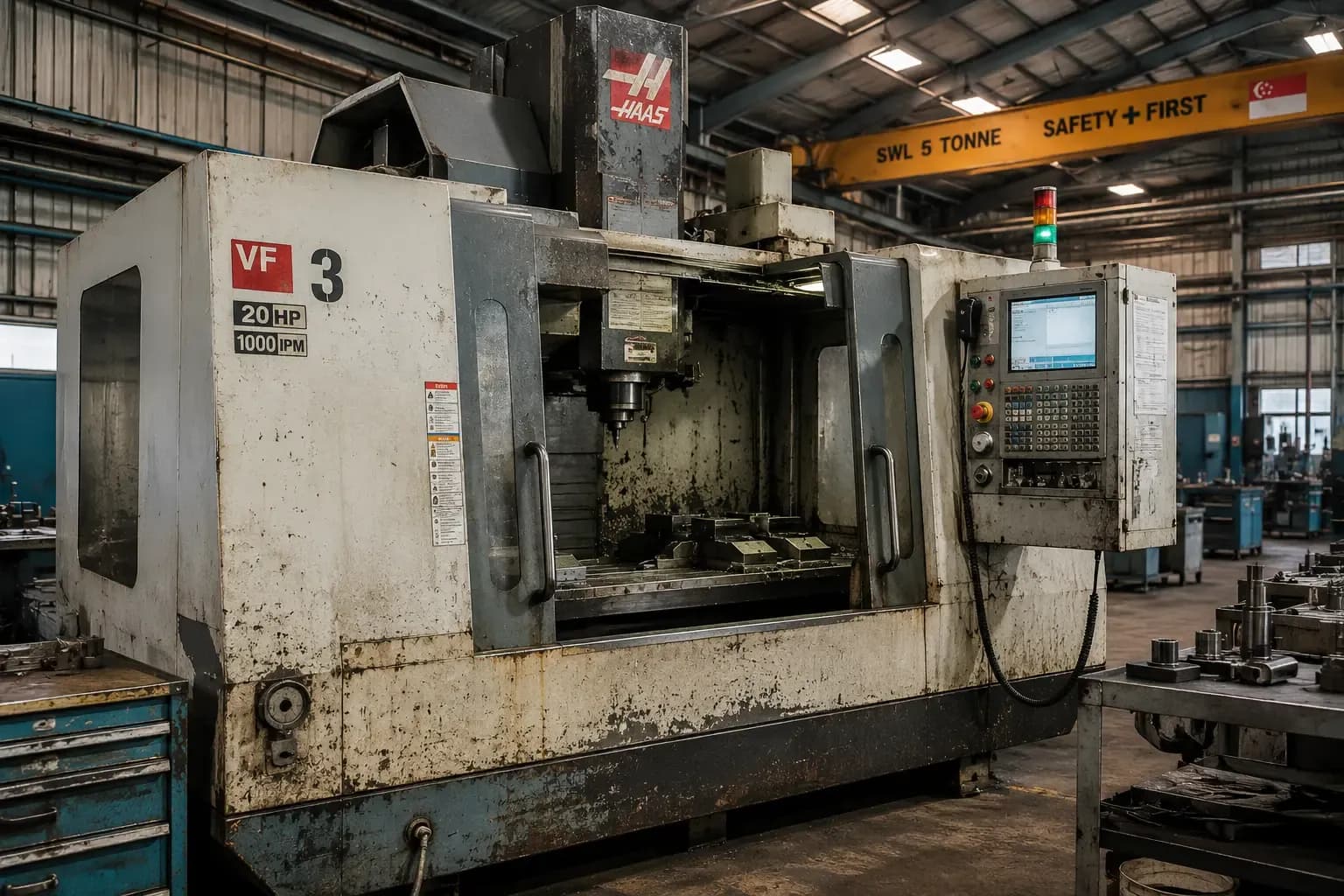
When Should You Remove Old Industrial Machines? (2026 Guide)
Old machinery doesn't become a problem overnight. Learn the warning signs to watch for and how early planning can help reduce downtime and avoid project delays.
Key Takeaways
- Frequent breakdowns are signs that it may be time to remove old machines
- Early planning helps reduce downtime and avoid project delays.
- Machinery removal typically involves assessment, dismantling, transportation, and recycling or disposal
- An experienced contractor can manage the entire process from assessment through to disposal
Old machinery rarely becomes a problem overnight. More often, it sits unused in a corner of the factory, breaks down more frequently, or becomes incompatible with newer production requirements.
If you're planning an upgrade, relocation, or facility handover, knowing when to remove old machinery can help free up valuable floor space, reduce downtime, and avoid unnecessary maintenance costs.
In this guide, we'll cover the common signs that it may be time to remove industrial machinery and what to consider before starting the process.
What Are the Signs That a Machine Should Be Removed
Frequent breakdowns, rising maintenance costs, underutilisation, production changes, and facility relocations are some of the most common signs that it may be time to remove industrial machinery.
The Machine Is No Longer Being Used
Unused machinery often ends up occupying space needed for new production lines, storage areas, or facility upgrades. For example, an old press machine or packaging line that has been sitting idle for months may no longer justify the floor space it occupies.
Breakdowns Are Becoming More Frequent
As machinery ages, breakdowns often become more common. Beyond repair costs, unplanned downtime can affect production schedules and place additional strain on maintenance teams. This is particularly common with older machines where replacement parts are no longer readily available.
Production Requirements Have Changed
Changes in production processes, automation upgrades, or capacity expansion can make existing machinery unsuitable for current operations. For example, businesses upgrading to automated systems may need to remove older manual equipment to make way for new production lines.
You're Planning a Relocation or Handover
Facility relocations, lease handovers, and major upgrades often require businesses to review the machinery on site. Equipment that is no longer needed is usually easier to remove before the move, reinstatement works, or installation of new machinery begins.
Machinery Disposal Evaluation Checklist
Not sure whether it's time to remove a machine? Use the checklist below to assess whether it still makes financial and operational sense to keep.

Also read: Should You Sell or Scrap Industrial Machines in Singapore in 2026? for practical tips on choosing the best disposal option.
How Does the Machinery Disposal Process Work
Machinery disposal typically involves an assessment, removal planning, transportation, and final recycling or disposal. The exact approach depends on the size of the equipment, site access, and available working space.
Assessment
Share photos and basic details of the machinery, including its type, dimensions, condition, and location. For larger or more complex projects, a site visit may be required to assess access requirements, lifting considerations, and removal constraints.
Removal Planning
Before work begins, the removal method is planned based on the machinery size, site layout, available working space, and safety requirements. This helps determine whether the equipment can be removed as a whole or needs partial dismantling before transport.
Dismantling and Removal
Where possible, we minimise dismantling works at your facility and remove the machinery in larger sections. If space, access, or safety constraints prevent this, the equipment may be dismantled further on-site before removal.
Transportation and Processing
Once removed, the machinery is transported to our processing yard. Additional dismantling, material recovery, recycling, or disposal works are typically carried out off-site to minimise disruption to your operations.
Why Choose Yi Hui Metals
With over 19 years of industry experience, Yi Hui Metals has handled machinery removal projects across factories, warehouses, and industrial facilities throughout Singapore.
Our team manages the entire process, from dismantling and removal to transportation and recycling. We operate our own processing yards, allowing us to handle large volumes efficiently while providing transparent quotations and clear project coordination. Wherever possible, we minimise dismantling works on-site and carry out additional processing at our yard to reduce disruption to your operations.
Looking to remove old machinery from your facility? Contact us today for a site assessment and quotation.
You might also like
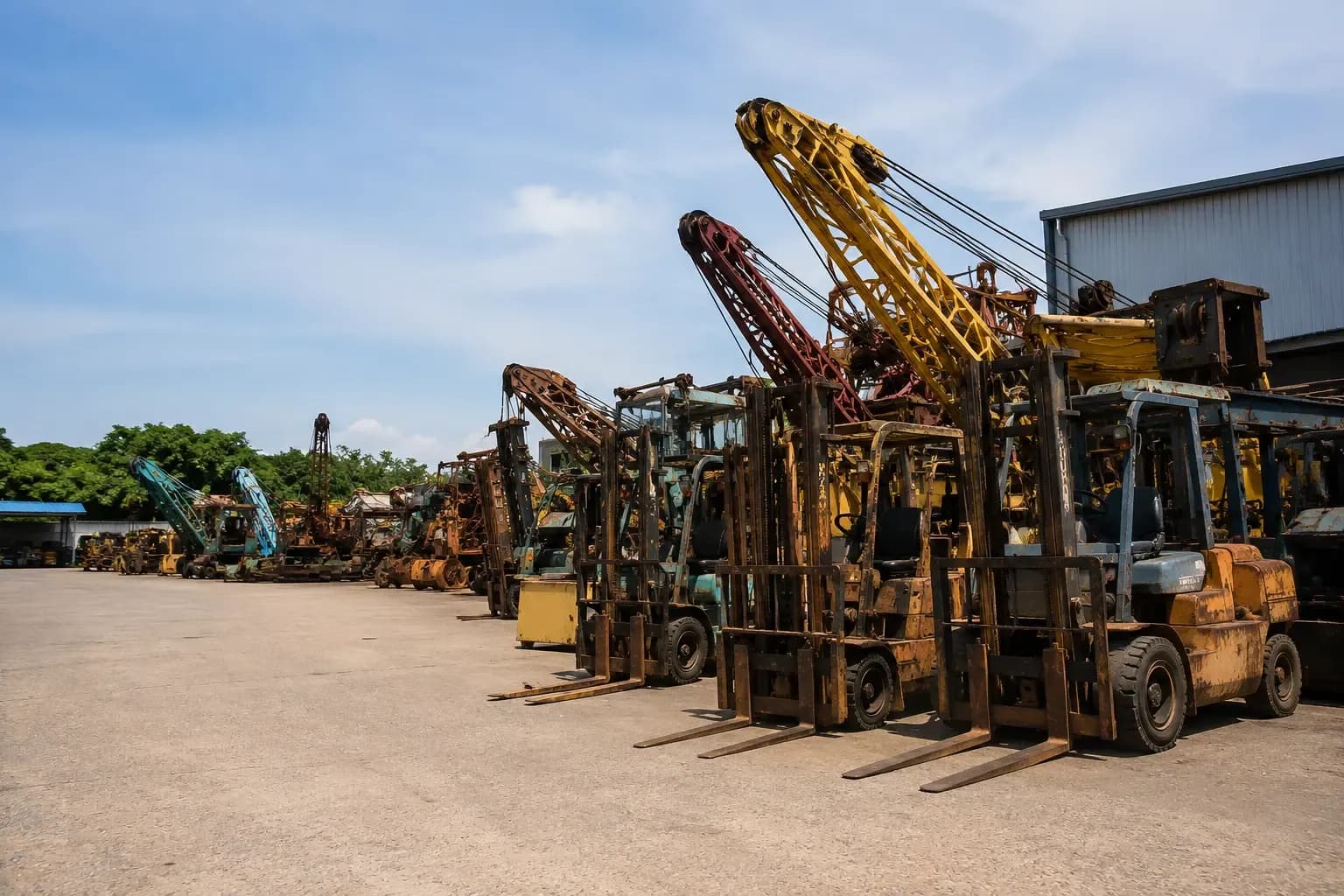
Should You Sell or Scrap Industrial Machines in Singapore in 2026?
Selling isn't always the best option for unwanted industrial machinery. This guide explains when scrapping makes more sense, what affects scrap value, and how the disposal process works.
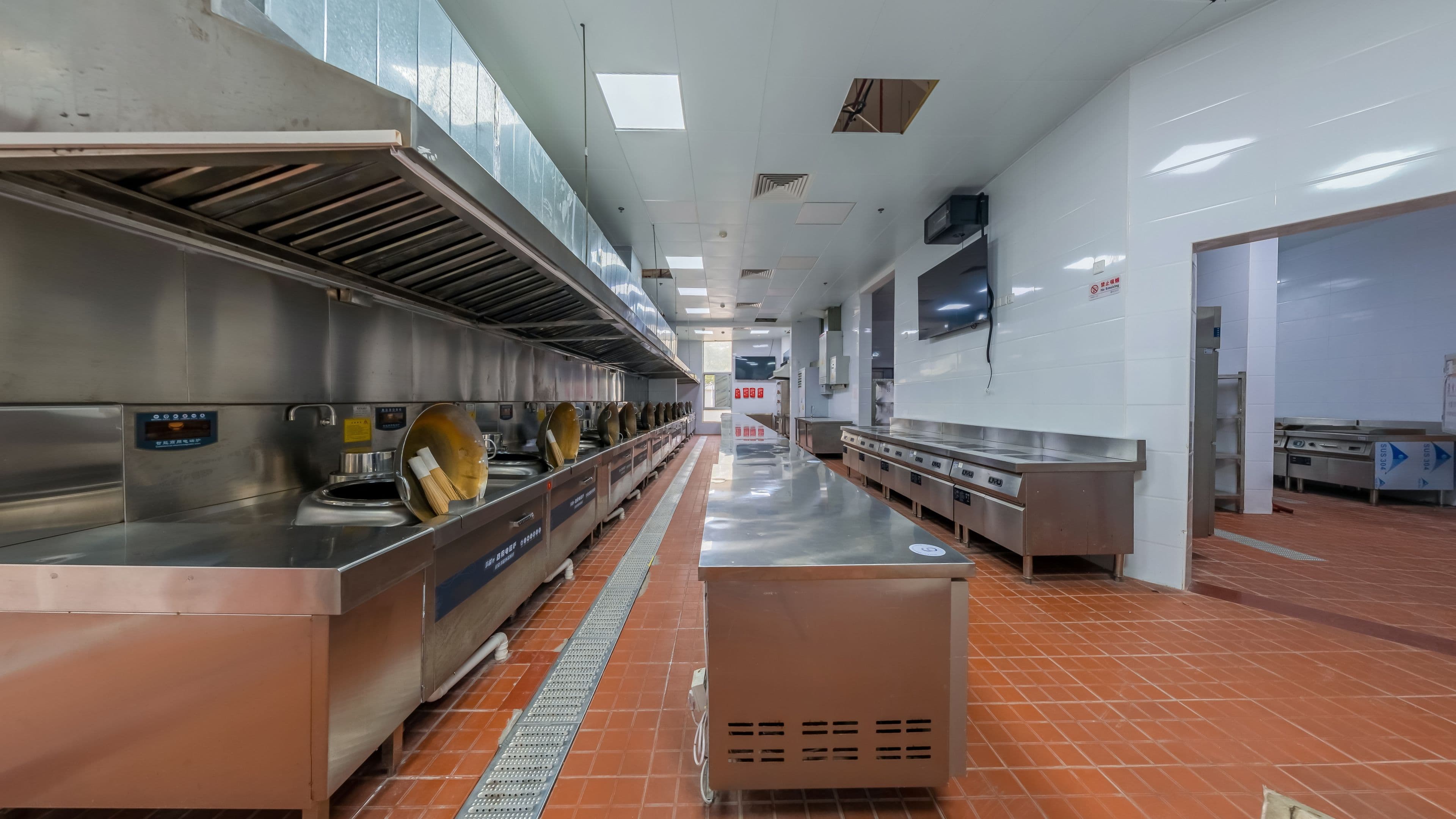
Central Kitchen and Restaurant Reinstatement in Singapore: What F&B Tenants Need to Know
Central kitchen and restaurant reinstatement isn't like an office. Find out what's involved, what it costs, and how to avoid a delayed handover.
Reinstatement Cost Singapore (2026): Why One Quote Is $5K and Another Is $8K
Not all reinstatement quotes cover the same scope of work. Find out what affects pricing, what hidden costs to watch for, and how to choose the right contractor.
Speak With Us
Got something to clear, dispose of, or reinstate? Drop us a message and we'll get back to you within 1 to 2 business days.
Yi Hui Metals
23 Tuas South Street 1, Singapore 638033